Blogs
-

Redress is about more than compensation, it’s about patient safety
Read more: Redress is about more than compensation, it’s about patient safetyThe harm caused by pelvic mesh and valproate represents some of the most serious patient safety failures in recent NHS history. Both caused avoidable, life-changing harm on a large scale, with patients not always receiving the right information to make informed decisions about their treatment, failures in post-market surveillance and patients’ concerns too often being dismissed. Valproate, while a vital treatment for some patients with epilepsy, migraine and bipolar disorder, can cause devastating harm to an unborn child when taken during pregnancy. The effects of prenatal exposure can be complex and lifelong, leaving many children, young people and adults unable…
-

One size fits no one: why women’s health could be the defining test for AI in healthcare
Read more: One size fits no one: why women’s health could be the defining test for AI in healthcareI recently joined leaders from healthcare, technology, research and investment at the Milken Institute Asia Summit panel AI’s Health Care Promise: Getting It Right for Everyone. It was a timely discussion about how we can harness the benefits of artificial intelligence while ensuring it improves care for everyone, not just some. One theme stood out: the question is no longer whether AI will play a role in healthcare. It already does, but the challenge is making sure it works safely, fairly and transparently for everyone. That mirrors what we heard through the National Commission into the Regulation of AI in…
-
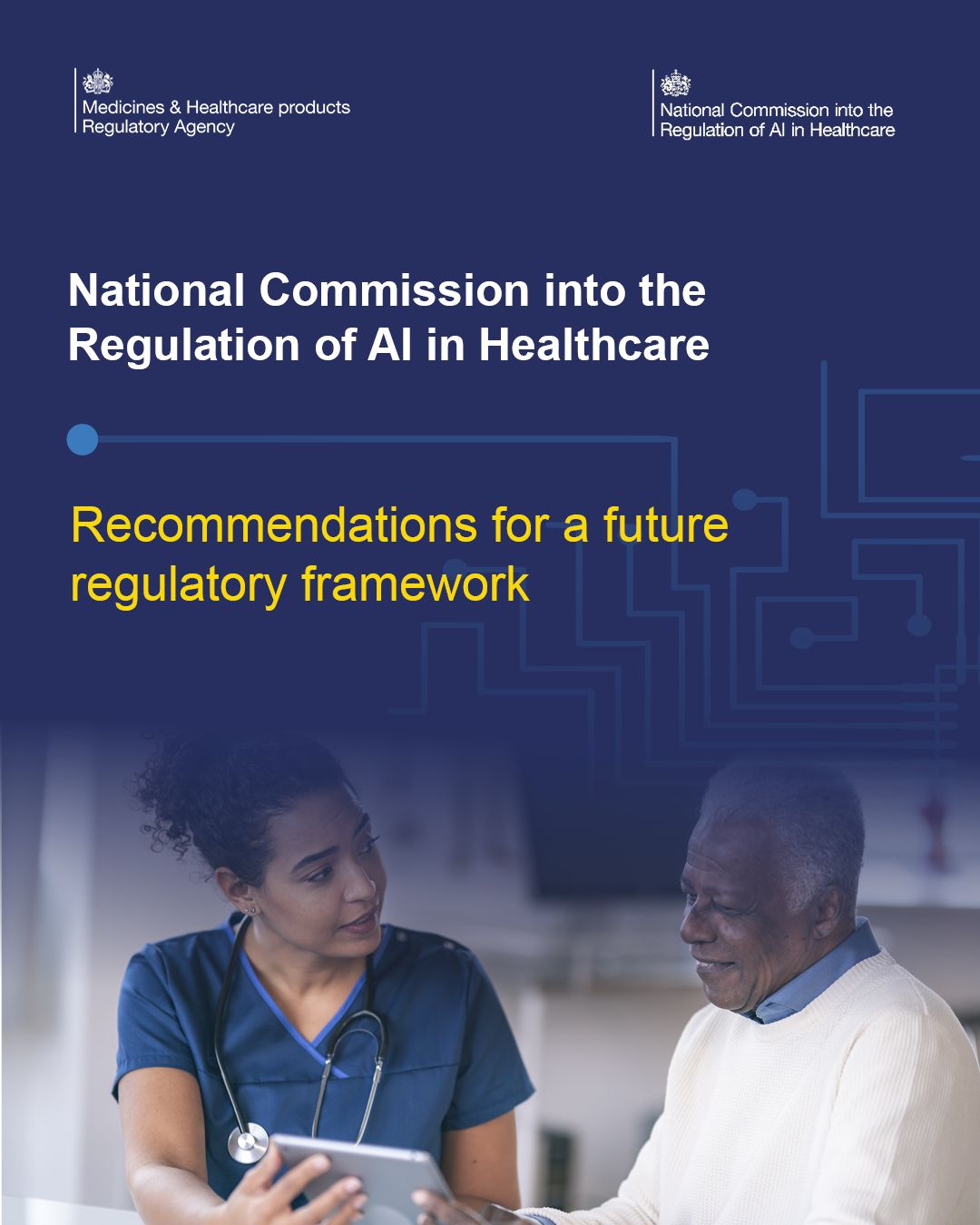
National Commission publishes recommendations for safe and trusted use of AI in healthcare
Read more: National Commission publishes recommendations for safe and trusted use of AI in healthcareToday marks an important step towards ensuring AI is used safely, transparently and in a way people can trust across healthcare. The National Commission on the Regulation of AI in Healthcare has published its recommendations following the largest public engagement exercise of its kind ever undertaken in the UK on how healthcare technologies should be regulated. As Deputy Chair of the Commission, I am proud of the extensive engagement that has informed this work. More than 12,000 people shared their views and their message was clear: people want to know when AI is used in their care, confidence that it…
-
Annual Report 2025–26: Why patient voice matters now more than ever
Read more: Annual Report 2025–26: Why patient voice matters now more than everToday, I am pleased to publish my Annual Report for 2025–26. I wanted to use this opportunity to reflect on the progress we have made but also the challenges that remain. As I look back, one theme stands out above all others: when we listen to patients, we make healthcare safer. Over the past year, I have met patients, families, clinicians, campaigners and healthcare leaders from across the country. Their experiences have reinforced something I have long believed: patients are not simply recipients of care. They are experts in their own experiences and often the first people to identify when something is going…
-

‘The Safety Gap must be closed’
Read more: ‘The Safety Gap must be closed’People with sensory impairment face challenges and no more so then when it comes to managing health conditions with devices that are not designed for them and medicines they have difficulty using. I have been contacted by many patients with vision or hearing loss who experience…
-
One year on from the Hughes Report
Read more: One year on from the Hughes ReportIt is one year since I published the Hughes Report on the options for redress for those harmed by pelvic mesh and valproate. When I launched the report in Parliament on 7th February 2024, I never imagined that a year later I would…
-

’How the National Joint Registry supports patients undergoing surgery’
Read more: ’How the National Joint Registry supports patients undergoing surgery’At the heart of the National Joint Registry is an organisation that looks after the best interest of patients undergoing joint surgery. It does this by recording, monitoring, analysing, and reporting on the…
-
Using the Patient Safety Principles to improve culture
Read more: Using the Patient Safety Principles to improve cultureAll healthcare work sometimes includes making truly difficult decisions, decisions that can have serious consequences for patients and their families, now, or in the future. This stretches from wards to Boards and into every part of the healthcare system. You only need…
-

’Striking the right balance with antidepressant prescribing’
Read more: ’Striking the right balance with antidepressant prescribing’Antidepressant prescribing is at record levels in England, with around one in five adults receiving these medicines for a range of mental health conditions and chronic pain. Prescriptions have…